Understanding Sciatic Nerve Pain: Causes, Symptoms, and Treatment Options
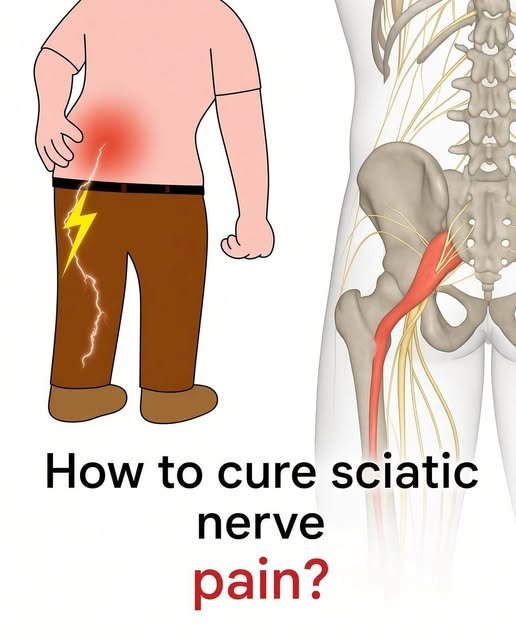
Sciatic nerve pain can make everyday activities such as walking, sitting, bending, and sleeping surprisingly difficult. Often described as a sharp, shooting, burning, or electric-like sensation, the pain may travel from the lower back through the buttock and down one leg.
This condition, commonly known as sciatica, affects the sciatic nerve or its nerve roots and can range from mild discomfort to severe pain that interferes with daily life.
The good news is that many cases improve with time and appropriate conservative treatment. Understanding the causes, recognizing the symptoms, and knowing which treatments may help can make it easier to manage the condition and prevent unnecessary discomfort.
What Is Sciatic Nerve Pain?
The sciatic nerve is the largest nerve in the human body. It originates from nerve roots in the lower spine, passes through the buttock region, and travels down each leg, branching into smaller nerves along the way.
Its role is to help control movement and provide sensation to parts of the legs and feet.
Sciatica occurs when one or more of the nerve roots that contribute to the sciatic nerve become irritated or compressed. This can produce pain that radiates from the lower back or buttock down the leg.
Unlike ordinary lower back pain, sciatica typically involves symptoms that extend into the buttock or leg. It most often affects one side of the body, although symptoms can occasionally occur on both sides.
Sciatica is a symptom of an underlying problem rather than a diagnosis in itself. Identifying the cause can help determine the most appropriate treatment.
Common Causes of Sciatic Nerve Pain
Several conditions can irritate or compress the nerves responsible for sciatica.
1. Herniated or Slipped Disc
One of the most common causes of sciatica is a herniated disc in the lower spine.
Spinal discs act as cushions between the vertebrae. When the outer layer of a disc weakens or tears, some of its inner material may protrude outward and irritate a nearby nerve root.
This can cause pain that travels down the leg, sometimes accompanied by tingling, numbness, or muscle weakness.
A herniated disc does not always cause symptoms. Treatment depends on the severity of the problem and whether the nerve is affected.
2. Spinal Stenosis
Spinal stenosis occurs when spaces within the spine become narrower, potentially placing pressure on nearby nerves.
It may develop as part of the natural aging process and can be associated with changes in the joints, ligaments, or discs.
People with lumbar spinal stenosis may experience pain, numbness, or weakness in the legs, particularly while standing or walking. Symptoms sometimes improve when sitting down or leaning forward.
3. Degenerative Changes in the Spine
As people age, spinal discs may lose some of their height and flexibility. Changes in the joints and surrounding structures can also contribute to nerve irritation.
These changes are common and do not necessarily cause pain. When they narrow the space around a nerve root, however, they may contribute to sciatica.
4. Piriformis-Related Pain
The piriformis is a small muscle located deep in the buttock. In some people, irritation in this region may cause buttock pain and symptoms that resemble sciatica.
However, not all pain that travels down the leg originates from the sciatic nerve itself. Hip problems, muscle conditions, and other nerve disorders can produce similar symptoms.
A healthcare professional can help distinguish between these causes.
5. Injury and Other Less Common Causes
Trauma, certain spinal conditions, and, rarely, infections or tumors may affect the nerves in the lower back.
Sciatica-like symptoms following a significant injury, or symptoms accompanied by fever, unexplained weight loss, or a history of cancer, require medical assessment.
Symptoms of Sciatic Nerve Pain
Sciatica can affect people differently, depending on which nerve roots are involved and how severely they are irritated.
Common symptoms include:
Pain radiating down one leg: Discomfort may begin in the lower back or buttock and travel into the thigh, calf, or foot.
Sharp or shooting pain: Some people describe the sensation as burning, electric-like, or stabbing.
Tingling or pins and needles: An affected leg or foot may feel as though it is prickling or falling asleep.
Numbness: Sensation may be reduced in parts of the leg or foot.
Muscle weakness: Some people experience difficulty lifting the front of the foot, standing on their toes, or moving the leg normally.
Pain that changes with position: Sitting, bending, coughing, or sneezing may worsen symptoms in some cases.
Sciatica does not always cause significant lower back pain. For some people, the leg pain is much more noticeable.
It is also important to distinguish pain from weakness. New or progressive muscle weakness can indicate significant nerve involvement and should be assessed promptly.
How Is Sciatica Diagnosed?
A healthcare professional will usually begin by asking about your symptoms, when they started, and what makes them better or worse.
A physical examination may include checking leg strength, sensation, reflexes, walking ability, and how certain movements affect the pain. Specific movements, such as a straight-leg raise, may help identify nerve irritation.
Imaging tests are not necessary for every person with sciatica.
An MRI may be considered when symptoms are severe or persistent, when significant nerve compression is suspected, or when the results would help guide treatment. X-rays can show certain bone changes but do not directly show the sciatic nerve or most disc herniations.
The decision to order imaging depends on the symptoms, examination findings, and whether there are warning signs of a more serious condition.
Treatment Options for Sciatic Nerve Pain
Treatment depends on the cause and severity of the symptoms. Many people improve without surgery, although recovery times vary.
1. Stay Gently Active
Although resting may feel appealing when pain is intense, prolonged bed rest can contribute to stiffness, muscle weakness, and slower recovery.
If you can do so safely, try to continue ordinary activities within your limits. Short walks, gentle changes of position, and gradual movement may help maintain mobility.
You do not need to push through severe pain. Temporarily modify activities that consistently aggravate symptoms, then gradually increase your activity as you improve.
2. Apply Heat or Cold
Heat or cold may provide temporary relief for some people.
Cold packs may help soothe pain, particularly after a recent flare-up.
Warm packs or heating pads may help relax tense muscles and reduce discomfort.
Wrap cold packs and heating pads in a protective layer rather than placing them directly against the skin. Use them for short periods, and avoid excessive heat or cold, especially if you have reduced sensation or circulation problems.
These methods may ease symptoms but do not correct every underlying cause of nerve compression.
3. Try Appropriate Stretching and Exercise
Gentle movement and individualized exercise can help maintain flexibility and improve function.
A physiotherapist may recommend exercises based on the cause and location of your symptoms. These may include gentle mobility exercises, targeted stretching, trunk strengthening, or nerve-movement exercises.
Not every stretch is appropriate for every person. A movement that helps one individual may worsen symptoms in another.
Stop an exercise if it causes increasing pain down the leg, new numbness, or weakness. Seek professional guidance if you are unsure which movements are safe.
4. Consider Physical Therapy
Physical therapy can be particularly helpful when symptoms persist or interfere with daily activities.
A physiotherapist can assess your movement, identify activities that aggravate your symptoms, and develop a progressive exercise program.
Treatment may include strength and mobility exercises, movement education, and advice on gradually returning to work, sports, and other daily activities.
The goal is not simply to reduce pain temporarily, but also to improve your ability to move comfortably and manage future flare-ups.
5. Medication for Pain Relief
Depending on your medical history and symptoms, a healthcare professional or pharmacist may discuss pain-relief options.
Anti-inflammatory medicines, such as ibuprofen, may help some people, but they are not suitable for everyone. They can cause stomach bleeding, kidney problems, and other complications, particularly in people with certain health conditions or those taking particular medications.
Evidence for medicines specifically treating sciatica varies, and some commonly prescribed treatments offer limited benefit or carry significant risks. Gabapentinoids, oral corticosteroids, and benzodiazepines are not routinely recommended for sciatica under UK NICE guidance because the overall benefits do not outweigh the risks for many patients.
Do not start, stop, or combine prescription medicines without appropriate medical advice.
6. Other Medical Treatments
If severe pain persists despite appropriate conservative care, a specialist may discuss additional options.
In selected cases, an epidural injection may be considered for short-term relief of severe acute sciatica. Its suitability depends on the cause of the symptoms and the individual’s circumstances.
Surgery may be considered when imaging confirms a problem that matches the symptoms and non-surgical treatment has not provided sufficient relief. It may also be needed urgently when significant nerve compression causes serious neurological symptoms.
Surgery is not necessary for most people with sciatica.
Simple Daily Habits That May Help
Small adjustments can make daily activities more manageable while symptoms improve.
Avoid staying in one position too long. Change positions regularly if prolonged sitting or standing worsens your symptoms.
Use comfortable sitting support. Choose a chair that supports your back and allows your feet to rest comfortably on the floor.
Lift carefully. Keep objects close to your body and avoid sudden twisting while carrying heavy loads.
Return to exercise gradually. Increase walking and other activities according to your symptoms rather than making sudden increases in intensity.
Prioritize sleep and recovery. Experiment with a comfortable sleeping position, such as lying on your side with a pillow between your knees, if it reduces discomfort.
These habits may improve comfort, but there is no single posture or sleeping position that works for everyone.
How Long Does Sciatica Last?
The duration of sciatica depends on its underlying cause, the degree of nerve irritation, and the person’s overall health.
Many people begin to improve within a few weeks, although symptoms can sometimes last several months or longer. Some people experience recurring episodes.
Pain may improve before numbness or weakness resolves completely. Persistent or worsening neurological symptoms deserve medical review even if the pain itself becomes less intense.
If your symptoms are not improving after a few weeks, are interfering substantially with daily activities, or keep returning, arrange an assessment with a healthcare professional.
When Is Sciatic Nerve Pain an Emergency?
Most cases of sciatica are not medical emergencies, but certain symptoms may indicate severe compression of the nerves in the lower spine.
Seek emergency medical care immediately if you develop:
New difficulty starting urination, inability to urinate, or loss of bladder control.
Loss of bowel control.
Numbness around the genitals, anus, buttocks, or inner thighs (sometimes called saddle numbness).
Severe or rapidly worsening weakness in the legs, particularly if both legs are affected.
These can be warning signs of cauda equina syndrome, a rare but serious condition requiring urgent assessment.
New foot drop, progressive weakness, or significant numbness also warrants prompt medical evaluation.
Can Sciatica Be Prevented?
Not every case can be prevented, particularly when symptoms are related to disc changes or age-related conditions. However, maintaining physical fitness and good movement habits may help support spinal health.
Regular exercise, gradual increases in training intensity, strengthening the trunk and legs, and avoiding smoking can contribute to overall back health.
If you frequently lift heavy objects, learn safe lifting techniques and use assistance when necessary. Maintaining a healthy weight, when appropriate, may also reduce mechanical stress on the back.
These steps cannot guarantee that sciatica will never occur, but they can help maintain mobility and physical resilience.
Final Thoughts
Sciatic nerve pain can be frustrating and sometimes debilitating, but many people improve with time, appropriate activity, and conservative treatment.
Recognizing the symptoms and understanding the potential causes can help you make informed decisions about managing the condition. Gentle movement, individualized exercise, physical therapy, and carefully selected pain relief may all play a role in recovery.
Most importantly, do not ignore new or worsening weakness, changes in bladder or bowel function, or numbness around the groin. These symptoms require urgent medical assessment.
With the right approach, many people can gradually return to their usual activities and improve their quality of life.
Medical disclaimer: This article is for educational purposes only and is not a substitute for professional medical advice, diagnosis, or treatment.