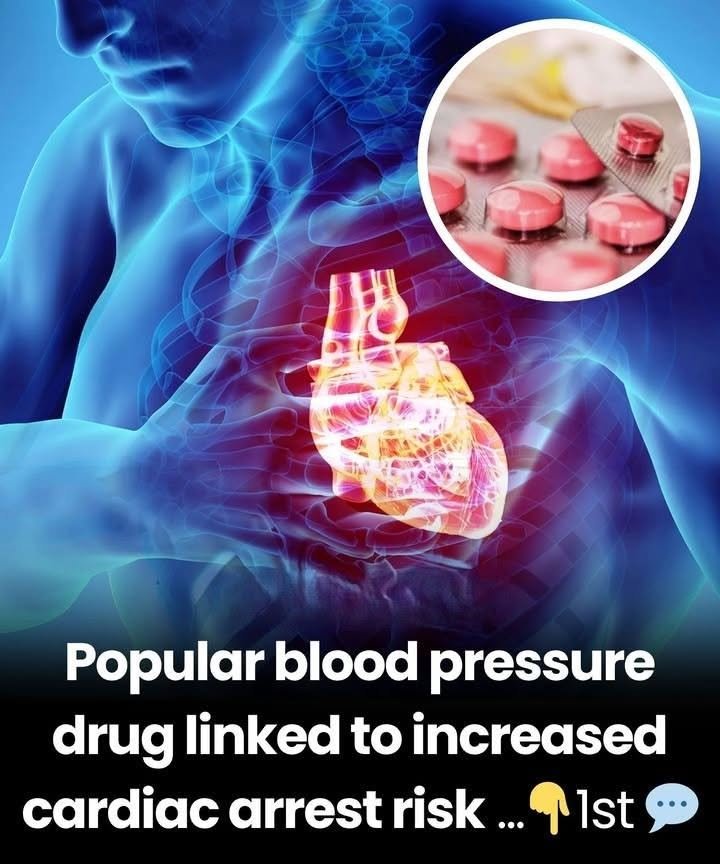
Popular Blood Pressure Drug Linked to Increased Cardiac Arrest Risk: What Patients Should Know
Millions of people take medication every day to manage high blood pressure and reduce their risk of serious cardiovascular complications.
These medications can play an important role in protecting the heart, kidneys, and blood vessels. But when research raises questions about the safety of a commonly prescribed drug, patients naturally want to know whether their treatment could put them at risk.
Reports linking certain blood pressure medications to cardiac arrest have attracted attention, particularly when they involve drugs used by millions of people.
However, a reported association does not automatically mean that a medication causes cardiac arrest. Understanding the specific drug, the research findings, and the patient’s individual health circumstances is essential.
Here is what you should know about blood pressure medications, cardiac arrest, and how to protect your heart.
What Is Cardiac Arrest?
Cardiac arrest occurs when the heart suddenly stops pumping blood effectively.
When this happens, blood flow to the brain and other vital organs can stop, making immediate treatment essential.
Cardiac arrest is different from a heart attack.
A heart attack usually occurs when blood flow to part of the heart muscle becomes blocked.
Cardiac arrest is an electrical or mechanical failure that prevents the heart from pumping adequately.
A heart attack can sometimes trigger cardiac arrest, but the two conditions are not the same.
Warning signs of cardiac arrest include:
Sudden collapse.
Loss of consciousness.
No normal breathing.
No response to stimulation.
Cardiac arrest is a medical emergency.
If someone collapses and is unresponsive with no normal breathing, call emergency services immediately, begin CPR, and use an automated external defibrillator (AED) if available.
Why Are Researchers Studying Blood Pressure Medications?
High blood pressure is a major risk factor for cardiovascular disease.
When blood pressure remains elevated over time, it can damage blood vessels and increase the risk of:
Heart attacks.
Strokes.
Heart failure.
Kidney disease.
Other cardiovascular complications.
Medications help control blood pressure and reduce these risks.
However, different medications affect the body in different ways.
Some relax blood vessels, while others influence heart rate, fluid balance, or the body’s hormonal systems.
Researchers continue studying these medications to understand their benefits, potential adverse effects, and how they perform in different patient populations.
Which Blood Pressure Drugs Are Being Discussed?
Blood pressure medications belong to several major categories.
Understanding these differences is important because safety findings involving one medication should not automatically be applied to every drug used to treat hypertension.
1. Calcium Channel Blockers
Calcium channel blockers help lower blood pressure by relaxing blood vessels.
Some medications in this category can also affect the heart’s electrical activity and heart rate.
Examples include:
Amlodipine.
Diltiazem.
Verapamil.
These medications are widely used, but their effects are not identical.
Amlodipine primarily relaxes blood vessels and generally does not significantly slow the heart rate.
Diltiazem and verapamil can slow heart rate and affect electrical conduction through the heart.
Because of these differences, a safety concern involving one calcium channel blocker may not apply equally to another.
2. Beta Blockers
Beta blockers reduce the effects of adrenaline on the heart.
Depending on the medication, they can:
Slow the heart rate.
Reduce the force of heart contractions.
Lower blood pressure.
Reduce the heart’s workload.
Examples include metoprolol, bisoprolol, and atenolol.
These medications are used for several conditions, including hypertension, certain heart rhythm disorders, and some forms of heart disease.
However, they can sometimes cause an excessively slow heart rate or low blood pressure.
Patients should take them according to their prescribed instructions.
3. ACE Inhibitors
ACE inhibitors help relax blood vessels by reducing the production of a substance that causes them to narrow.
Examples include:
Lisinopril.
Enalapril.
Ramipril.
These medications are commonly prescribed for hypertension and certain cardiovascular or kidney conditions.
Potential adverse effects include a persistent dry cough, elevated potassium levels, and, rarely, serious allergic reactions.
4. Angiotensin Receptor Blockers
Angiotensin receptor blockers, commonly called ARBs, also help relax blood vessels.
Examples include losartan, valsartan, and candesartan.
They are frequently used when treating high blood pressure and may be prescribed for certain patients with heart or kidney conditions.
Like ACE inhibitors, they can affect potassium levels and kidney function.
Can Blood Pressure Medication Increase Cardiac Arrest Risk?
The answer depends on the specific medication, the dose, the patient’s medical history, and the evidence being discussed.
Some medications can contribute to conditions that may increase the risk of serious heart rhythm problems in susceptible individuals.
For example, certain drugs may cause:
Excessively slow heart rate.
Low blood pressure.
Disturbances in electrical conduction.
Changes in potassium or other electrolytes.
Interactions with other medications.
In particular, medications that slow the heart may require careful monitoring in people with existing conduction problems or certain heart rhythm disorders.
However, these potential effects do not mean that all patients taking blood pressure medication face an increased risk of cardiac arrest.
Many blood pressure medications have substantial evidence supporting their benefits in reducing cardiovascular complications.
The important question is whether a specific medication presents a meaningful risk for a particular patient.
What Does Research Actually Tell Us?
When a study reports an association between a medication and cardiac arrest, several factors must be considered.
Association Is Not the Same as Causation
People taking blood pressure medication may already have conditions that increase their cardiovascular risk.
For example, patients with hypertension may also have:
Diabetes.
Coronary artery disease.
Heart failure.
Chronic kidney disease.
Previous heart attacks.
These conditions can independently increase the likelihood of serious cardiovascular events.
Therefore, researchers must distinguish between the effects of the medication and the effects of the underlying disease.
A study showing that people taking a particular drug experienced more cardiac arrests does not necessarily prove that the medication caused those events.
The Type of Study Matters
Different research methods provide different levels of evidence.
A laboratory study may identify a possible biological mechanism.
An observational study may identify an association between medication use and a health outcome.
A randomized clinical trial can provide stronger evidence about treatment effects, although its findings still depend on the study population, duration, and design.
Researchers also examine whether the findings are consistent across different studies.
Without knowing the exact medication, study population, and research findings, it would be misleading to claim that a popular blood pressure drug definitively increases cardiac arrest risk.
Who May Need Extra Monitoring?
Some people may require closer medical supervision when taking blood pressure medication.
These include individuals with:
Existing heart rhythm disorders.
Certain conduction abnormalities.
Very slow heart rates.
Low blood pressure.
Significant kidney disease.
Electrolyte abnormalities.
Multiple medications that affect heart rate or blood pressure.
Older adults may also be more susceptible to dizziness, falls, and medication-related low blood pressure.
Monitoring helps healthcare professionals determine whether a medication is working appropriately and whether adjustments are needed.
Warning Signs You Should Never Ignore
Although many people tolerate blood pressure medications well, certain symptoms require medical attention.
Contact a healthcare professional if you experience:
Repeated dizziness.
Unusual weakness.
Persistent lightheadedness.
A noticeably slow or irregular heartbeat.
Fainting.
Unexplained episodes of near-collapse.
Seek emergency medical attention for chest pain, severe difficulty breathing, sudden collapse, or symptoms suggesting a stroke.
Do not assume that these symptoms are simply normal side effects.
Should You Stop Taking Your Blood Pressure Medication?
No. Do not stop or change your prescribed blood pressure medication because of a headline or an unverified report.
Suddenly stopping certain medications can cause serious problems.
For example, abruptly discontinuing some beta blockers can lead to a rapid increase in heart rate or blood pressure and may worsen certain heart conditions.
Uncontrolled hypertension also increases the risk of stroke, heart attack, and kidney damage.
If you are concerned about a medication:
Identify the exact medication and dosage.
Review the concern with your doctor or pharmacist.
Ask whether the research applies to your particular treatment.
Discuss your medical history and other medications.
Follow professional advice before making any changes.
Your healthcare professional can determine whether continuing, adjusting, or changing treatment is appropriate.
How to Protect Your Heart While Managing High Blood Pressure
Medication is only one part of cardiovascular health.
Several everyday habits can support better blood pressure management.
Eat a Balanced Diet
Choose a diet that includes vegetables, fruits, whole grains, legumes, and appropriate sources of protein.
Reducing excessive sodium intake can help many people manage blood pressure.
If you have kidney disease or take medications that affect potassium, ask your healthcare professional before making major changes to potassium-rich foods or using potassium-based salt substitutes.
Stay Physically Active
Regular physical activity can help support healthy blood pressure.
Walking, cycling, swimming, and other activities can be useful options.
Choose an activity level that matches your health and physical abilities.
Monitor Your Blood Pressure
Home blood pressure monitoring can help identify patterns and show whether treatment is working.
Use a validated monitor and follow the recommended measurement technique.
Record your readings and share them with your healthcare professional.
Avoid Smoking
Smoking damages blood vessels and increases cardiovascular risk.
Quitting smoking can improve overall heart health.
Take Medication as Prescribed
Consistent medication use helps maintain blood pressure control.
If you experience side effects, discuss them with your healthcare professional rather than adjusting your treatment independently.
The Bottom Line
Blood pressure medications are important tools for preventing cardiovascular complications.
Some medications can affect heart rate, blood pressure, or electrical conduction, and certain patients may require closer monitoring.
However, a headline suggesting that a popular blood pressure drug increases cardiac arrest risk is not enough to establish that the medication causes cardiac arrest.
The specific drug, the research findings, and the patient’s medical history all matter.
Patients should not stop prescribed treatment based on alarming reports.
Instead, discuss medication concerns with a qualified healthcare professional and make treatment decisions using reliable evidence.
Controlling high blood pressure remains one of the important steps people can take to protect their long-term cardiovascular health.
Medical note: This article provides general educational information. It does not identify or verify a specific study or establish that any particular blood pressure medication causes cardiac arrest. Medication decisions should be made with a qualified healthcare professional.