Amlodipine Side Effects You Should Never Ignore: Important Warning Signs to Know
Amlodipine is a commonly prescribed medication used to treat high blood pressure and certain types of chest pain.
For millions of people, it helps control blood pressure, improve circulation, and reduce the risk of complications associated with uncontrolled hypertension.
However, like any medication, amlodipine can cause side effects.
Some are relatively mild and may improve as the body adjusts to treatment. Others require medical attention, especially in older adults and people with existing heart conditions.
The most important thing to remember is that you should never stop taking amlodipine suddenly or change your dose without consulting your healthcare professional.
Understanding its possible side effects can help you recognize when something needs attention.
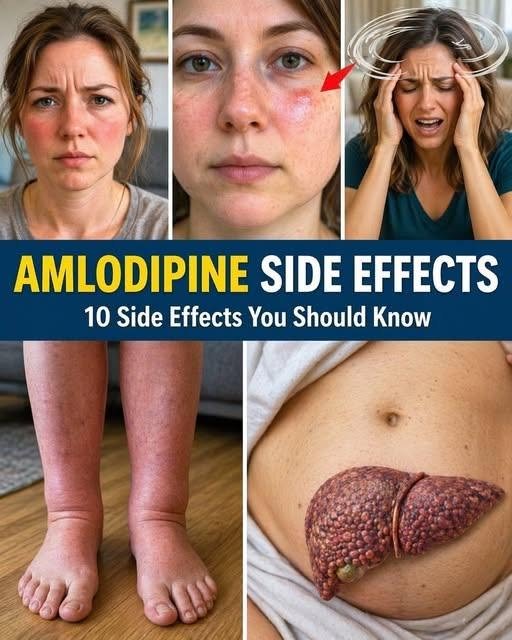
1. Swelling in the Feet and Ankles
One of the most common side effects of amlodipine is swelling in the lower legs, feet, and ankles.
This condition is known as peripheral edema.
You may notice:
Your ankles look swollen.
Your shoes feel tighter than usual.
Your feet appear puffy after standing.
Swelling becomes more noticeable toward the evening.
Amlodipine relaxes blood vessels, which helps lower blood pressure.
However, this effect can also increase pressure in small blood vessels and allow fluid to move into surrounding tissues.
This can lead to swelling, particularly around the ankles.
What should you do?
If you notice persistent or worsening swelling, contact your healthcare professional.
They may review your medication dose, evaluate other possible causes, or consider an alternative treatment.
Do not automatically assume that swelling is caused by amlodipine.
Heart failure, kidney problems, venous insufficiency, and other conditions can also cause swollen legs.
Sudden swelling accompanied by difficulty breathing or chest pain requires urgent medical attention.
2. Dizziness or Feeling Lightheaded
Some people experience dizziness after starting amlodipine or increasing their dose.
This may happen because the medication lowers blood pressure.
Symptoms can include:
Feeling lightheaded.
Unsteadiness when standing.
Temporary weakness.
Feeling as though you might faint.
Older adults may be particularly vulnerable to dizziness because they may also take other medications that affect blood pressure.
How to reduce the risk
Stand up slowly after sitting or lying down.
Drink adequate fluids unless your healthcare professional has advised you to restrict them.
Avoid driving or operating machinery if you feel dizzy.
If dizziness becomes frequent, severe, or interferes with everyday activities, seek medical advice.
Fainting or severe dizziness accompanied by chest pain, difficulty breathing, or neurological symptoms requires urgent evaluation.
3. Headaches
Headaches are another possible side effect of amlodipine.
They may occur when treatment begins or when the dose changes.
Some people experience mild headaches that gradually improve.
However, severe or unusual headaches should not automatically be attributed to medication.
Seek urgent medical attention if a headache is sudden and extremely severe or occurs with weakness, confusion, difficulty speaking, or vision changes.
These symptoms may indicate a serious medical condition.
4. Rapid Heartbeat or Palpitations
Some people taking amlodipine notice a faster heartbeat or a sensation that their heart is pounding.
This may occur because blood vessels relax and blood pressure decreases.
Possible symptoms include:
A noticeable heartbeat.
A racing sensation in the chest.
Occasional palpitations.
Mild flushing.
Persistent or worsening palpitations should be discussed with a healthcare professional.
Seek emergency medical care if palpitations occur with chest pain, fainting, severe shortness of breath, or significant weakness.
These symptoms may indicate a serious cardiovascular problem.
5. Unusual Fatigue or Weakness
Amlodipine may cause tiredness or fatigue in some individuals.
You might notice that everyday activities feel more exhausting than usual.
Possible contributing factors include changes in blood pressure, other medications, sleep problems, or an underlying medical condition.
If fatigue is persistent, it is important to have it evaluated.
Do not assume that all weakness is a normal medication side effect.
Sudden weakness affecting one side of the body, difficulty speaking, or facial drooping requires emergency medical attention because these may be signs of a stroke.
6. Flushing or Feeling Warm
Some people experience flushing while taking amlodipine.
This may cause:
Redness in the face.
A sensation of warmth.
Mild discomfort.
Temporary skin flushing.
These symptoms are related to the medication’s effects on blood vessels.
Mild flushing may improve over time.
However, swelling of the face, lips, tongue, or throat, especially with breathing difficulty, may indicate a serious allergic reaction.
Call emergency services immediately if these symptoms occur.
7. Gum Swelling
A less common but recognized side effect of amlodipine is enlargement of the gums.
This condition is called gingival enlargement.
Symptoms may include:
Swollen gums.
Tenderness.
Bleeding during brushing.
Difficulty cleaning between teeth.
Good oral hygiene and regular dental care can help reduce complications.
If gum swelling develops, speak with your dentist and healthcare professional.
They can determine whether the medication may be contributing and discuss appropriate treatment options.
8. Serious Symptoms That Require Immediate Medical Attention
Although serious reactions are uncommon, certain symptoms should never be ignored.
Call emergency services if you experience:
Chest pain or pressure.
Severe difficulty breathing.
Fainting.
Sudden weakness on one side of the body.
Difficulty speaking.
Swelling of the face, tongue, or throat.
Severe allergic symptoms.
These symptoms may indicate a medical emergency and should not be managed at home.
Who Should Be Particularly Careful?
Amlodipine may require additional monitoring in people who have:
Severe liver disease.
Certain heart conditions.
Very low blood pressure.
Significant dizziness or a history of falls.
Multiple medications that lower blood pressure.
Older adults may need careful medication review because they are more likely to experience interactions and side effects.
Your healthcare professional can determine whether amlodipine is appropriate for your individual situation.
Can You Stop Taking Amlodipine Because of Side Effects?
Do not stop taking amlodipine on your own.
Stopping treatment may allow your blood pressure to rise again, increasing the risk of cardiovascular complications.
If you experience side effects, your healthcare professional may recommend:
Adjusting the dose.
Changing the time you take the medication.
Reviewing other medications.
Switching to another blood pressure treatment.
Investigating other possible causes of your symptoms.
The safest approach is to make medication changes under medical supervision.
How to Take Amlodipine More Safely
To help reduce medication-related problems:
Take amlodipine exactly as prescribed.
Take it consistently at the recommended time.
Monitor your blood pressure as advised.
Tell your healthcare professional about all medications and supplements you use.
Report persistent swelling, dizziness, or palpitations.
Attend regular medical appointments.
Avoid changing your dose without professional guidance.
If you miss a dose, follow the instructions provided by your healthcare professional or pharmacist. Do not take an extra dose to compensate unless specifically instructed.
Final Thoughts
Amlodipine is an effective medication for many people with high blood pressure and certain types of chest pain.
However, side effects such as ankle swelling, dizziness, headaches, fatigue, and palpitations can occur.
Most importantly, recognizing a possible side effect does not mean you should stop treatment immediately.
Discuss your symptoms with your healthcare professional so they can determine whether the medication is responsible and whether any changes are necessary.
Proper monitoring and individualized treatment can help you manage blood pressure safely while protecting your heart.
Medical disclaimer: This article is for educational purposes only and does not replace medical advice. Seek emergency care for severe symptoms or signs of a heart attack, stroke, or serious allergic reaction.