10 Early Warning Signs of a Stroke Everyone Should Know to Take Prompt Action
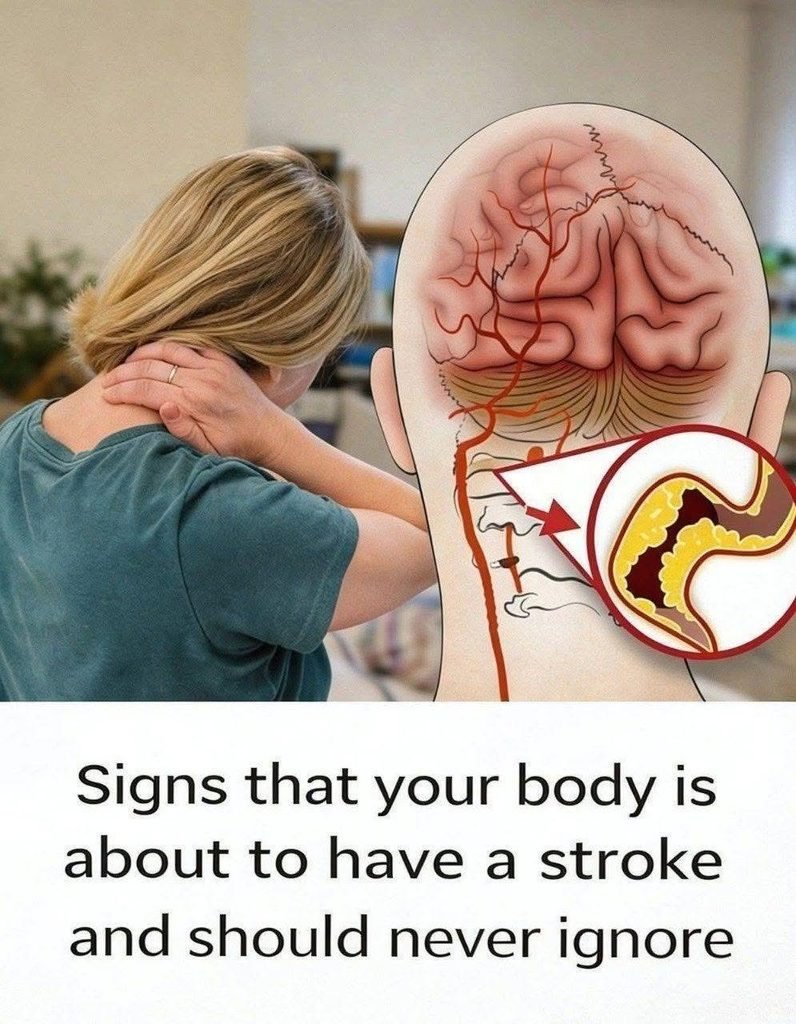
A stroke can happen suddenly and may affect a person’s ability to speak, move, see, or think clearly. It occurs when blood flow to part of the brain is interrupted or when a blood vessel in the brain ruptures. Without a steady supply of oxygen and nutrients, brain cells can begin to die within minutes.
Recognizing the warning signs of a stroke and getting emergency medical help quickly can make a critical difference. Although strokes are more common in older adults, they can happen at any age.
Knowing what to look for may help you recognize a stroke in yourself or someone nearby before the symptoms become more severe.
What Is a Stroke?
A stroke is a medical emergency that occurs when the brain’s blood supply is disrupted.
There are two main types:
Ischemic stroke: Happens when a blood clot blocks a blood vessel supplying the brain. This is the most common type.
Hemorrhagic stroke: Occurs when a blood vessel in the brain breaks or leaks, causing bleeding.
A third important condition is a transient ischemic attack (TIA), sometimes called a mini-stroke. It causes temporary stroke-like symptoms when blood flow to the brain is briefly interrupted.
Even if symptoms disappear after a few minutes, a TIA should never be ignored. It may be a warning sign of a future stroke.
1. Sudden Numbness or Weakness on One Side of the Body
One of the most recognizable warning signs of a stroke is sudden weakness or numbness affecting one side of the body.
A person may notice that:
One arm feels unusually weak.
One leg becomes difficult to move.
One side of the face feels numb.
They cannot hold an object properly with one hand.
The weakness may appear suddenly and may affect the face, arm, or leg.
If someone has difficulty raising both arms equally or one arm begins to drift downward, it could be a sign of a stroke.
What to do: Treat sudden one-sided weakness as an emergency, even if the person can still walk or move somewhat.
2. A Drooping Face or Uneven Smile
A stroke may affect the muscles responsible for facial movement.
When this happens, one side of the face may appear weaker than the other. The person’s smile may look uneven, or the corner of the mouth may droop.
You may notice:
One side of the mouth hanging lower.
Difficulty smiling normally.
Reduced movement on one side of the face.
Trouble keeping saliva in the mouth.
Ask the person to smile if you suspect a stroke. An uneven smile or facial drooping can be an important warning sign.
However, facial drooping can also have other causes. Sudden facial weakness still requires urgent medical evaluation.
3. Sudden Difficulty Speaking or Understanding Speech
A stroke can affect areas of the brain responsible for language and communication.
A person may suddenly:
Speak unclearly or slur their words.
Struggle to find the right words.
Say sentences that do not make sense.
Have difficulty understanding what others are saying.
Become unable to speak despite appearing awake.
Sometimes the person knows what they want to say but cannot express it properly.
Other people may notice the problem before the affected person does.
Important: Sudden speech difficulty is a medical emergency, even when there is no weakness or facial drooping.
4. Sudden Vision Problems
Changes in vision can occur when a stroke affects the parts of the brain responsible for processing visual information.
Possible symptoms include:
Blurred vision.
Sudden loss of vision in one eye.
Double vision.
Difficulty seeing objects clearly.
Missing part of the visual field.
Some people may describe a dark area, a curtain-like shadow, or an inability to see objects on one side.
Vision problems caused by a stroke may occur without pain.
If vision changes happen suddenly, seek emergency medical care rather than waiting to see whether they improve.
5. Sudden Dizziness or Loss of Balance
A stroke can affect the brain areas that control coordination, balance, and movement.
A person may suddenly feel:
Unsteady while standing.
Unable to walk normally.
As though the room is spinning.
Disconnected from their usual sense of balance.
Clumsy or unusually uncoordinated.
They may stumble, fall, or have difficulty sitting upright.
Dizziness alone is common and often has causes other than stroke. However, sudden severe dizziness combined with difficulty walking, double vision, weakness, or speech problems is particularly concerning.
Do not assume that someone is simply tired or dehydrated when serious neurological symptoms appear suddenly.
6. A Sudden, Severe Headache
A sudden headache can sometimes be a warning sign of a hemorrhagic stroke, especially when bleeding occurs inside or around the brain.
The headache may be:
Extremely severe.
Abrupt in onset.
Unlike headaches the person has experienced before.
Accompanied by vomiting, neck stiffness, confusion, or fainting.
Some people describe a sudden, explosive headache that reaches maximum intensity very quickly.
Not every stroke causes a headache, and many headaches are not strokes. But a sudden, exceptionally severe headache requires emergency assessment.
Do not wait for additional symptoms before seeking help.
7. Confusion or Sudden Difficulty Thinking Clearly
A stroke may interfere with the brain’s ability to process information.
A person may suddenly appear confused or behave differently from usual.
They might:
Have difficulty answering simple questions.
Become disoriented about where they are.
Struggle to understand instructions.
Have trouble recognizing familiar situations.
Seem unusually forgetful or mentally disconnected.
Sudden confusion can also result from other serious conditions, including infections, low blood sugar, or medication problems.
Because the cause cannot reliably be determined at home, sudden unexplained confusion should be evaluated urgently, particularly when accompanied by other stroke symptoms.
8. Difficulty Swallowing
Some strokes affect the muscles and nerves involved in swallowing.
This may cause a person to:
Cough or choke when drinking.
Have difficulty swallowing food.
Feel that food is sticking in the throat.
Develop a wet or gurgling voice after swallowing.
Difficulty swallowing can increase the risk of food or liquid entering the lungs.
If stroke is suspected, do not give the person food, drinks, or oral medication until medical professionals assess their swallowing ability.
Sudden swallowing difficulty, especially alongside facial weakness or speech problems, requires emergency attention.
9. Sudden Loss of Coordination or Fine Motor Skills
A stroke may affect the brain’s ability to control precise movements.
A person may suddenly struggle to:
Pick up a cup.
Button a shirt.
Write clearly.
Use a phone.
Perform familiar tasks with one hand.
They may appear clumsy or unable to coordinate their movements.
This can happen even when the person does not have obvious paralysis.
Sudden loss of coordination should be taken seriously, especially if it occurs alongside dizziness, vision changes, weakness, or difficulty speaking.
10. Sudden Nausea, Vomiting, or Reduced Alertness
Some strokes, particularly those affecting the back of the brain or involving bleeding, may cause nausea, vomiting, or changes in alertness.
A person may become unusually sleepy, difficult to wake, or less responsive.
They may also experience vomiting alongside severe dizziness, headache, or problems with balance.
These symptoms are not specific to stroke, but their sudden appearance—especially with neurological changes—can signal a serious emergency.
If someone becomes unconscious or is difficult to wake, call emergency services immediately.
Remember the FAST Stroke Warning Signs
The FAST method is a simple way to recognize common stroke symptoms.
F — Face: Does one side of the face droop when the person smiles?
A — Arms: Can the person raise both arms, or does one arm drift downward?
S — Speech: Is their speech slurred, unusual, or difficult to understand?
T — Time: Call emergency services immediately if any of these signs appear.
FAST is useful, but it does not identify every stroke. Sudden vision problems, severe dizziness, loss of coordination, or an unusually severe headache can also indicate a stroke—even when the face, arms, and speech appear normal.
What Should You Do If You Suspect a Stroke?
Taking the right steps quickly can help reduce the risk of serious complications.
1. Call Emergency Services Immediately
Do not wait for symptoms to disappear.
In Morocco, you can call 15 for ambulance or medical emergency assistance. If you are elsewhere, call your local emergency number.
Explain that you suspect a stroke and describe the symptoms.
2. Record When Symptoms Started
Note the exact time symptoms first appeared.
If you do not know when they started, record the last time the person was known to be normal.
This information can help doctors determine which treatments may be appropriate.
3. Do Not Drive the Person Yourself if Emergency Transport Is Available
Emergency medical professionals can begin assessment and provide appropriate care during transport.
Avoid delaying emergency assistance while arranging private transportation.
4. Do Not Give Food, Drinks, or Aspirin
A stroke may involve a blocked blood vessel or bleeding in the brain.
Aspirin can be harmful in certain types of stroke, particularly those caused by bleeding.
Do not give medication unless instructed by a medical professional.
5. Keep the Person Safe and Comfortable
Help them sit or lie down in a safe position.
If they are unconscious but breathing normally, follow the emergency dispatcher’s instructions about positioning.
If they are not breathing normally, call emergency services and follow the dispatcher’s instructions for CPR.
Do not leave the person alone.
6. Do Not Wait for Symptoms to Improve
Stroke symptoms may temporarily disappear.
This does not mean the danger has passed.
A temporary episode may be a TIA, which requires urgent medical evaluation because it can signal a high risk of a future stroke.
Who Is at Greater Risk of Having a Stroke?
Stroke can affect anyone, but certain factors increase the likelihood of developing one.
Important risk factors include:
High blood pressure.
Diabetes.
High cholesterol.
Smoking.
Heart conditions, including atrial fibrillation.
Previous stroke or transient ischemic attack.
Physical inactivity.
Excessive alcohol consumption.
Older age.
Certain family and medical histories.
High blood pressure is one of the most important modifiable risk factors.
Regular medical checkups can help identify and manage conditions that increase stroke risk.
Can a Stroke Be Prevented?
Although not every stroke can be prevented, many risk factors can be managed.
Helpful steps include:
Monitor blood pressure: Have it checked regularly and follow your healthcare professional’s treatment recommendations.
Manage diabetes and cholesterol: Keeping these conditions under control can reduce cardiovascular risk.
Avoid smoking: Smoking damages blood vessels and increases the risk of stroke.
Stay physically active: Regular movement supports cardiovascular health.
Choose a balanced diet: Eating more vegetables, fruits, whole grains, and other nutrient-rich foods can help support healthy blood pressure and cholesterol.
Take prescribed medications: Do not stop blood pressure, diabetes, cholesterol, or heart medications without medical advice.
Attend regular medical appointments: Your healthcare professional can assess your individual risk and recommend appropriate prevention strategies.
Final Thoughts
A stroke can happen suddenly, and its symptoms may look different from one person to another.
Sudden facial drooping, weakness on one side, speech difficulties, vision changes, severe dizziness, confusion, or an unusually severe headache should never be ignored.
The most important thing to remember is that every minute matters when a stroke is suspected.
Do not wait for symptoms to become worse, and do not assume that temporary improvement means the danger has passed.
Recognizing the warning signs, calling emergency services immediately, and getting professional medical care can help protect the brain and improve the chances of recovery.
Medical Disclaimer: This article is for educational purposes only and does not replace professional medical advice, diagnosis, or treatment. If you or someone else develops sudden symptoms that could indicate a stroke, seek emergency medical assistance immediately.