If Your Eggs Have a Green Ring Around the Yolk, It Means This
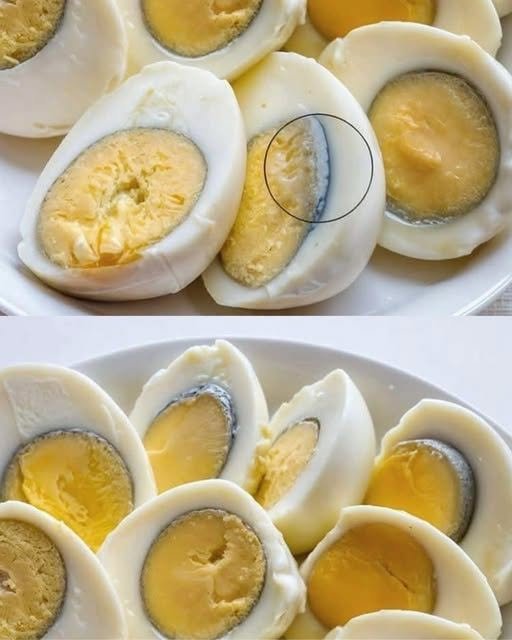
Have you ever peeled a hard-boiled egg and noticed a strange green or gray ring surrounding the yolk? You might have wondered whether the egg was spoiled, contaminated, or unsafe to eat.
The good news is that a green ring around the yolk of a hard-boiled egg is usually harmless. In most cases, it is simply the result of cooking the egg for too long or at too high a temperature.
However, there are a few important things to understand about egg color, freshness, and food safety before deciding whether an egg is safe to eat.
What Causes the Green Ring Around an Egg Yolk?
The greenish-gray ring that sometimes appears around a hard-boiled egg yolk is caused by a natural chemical reaction.
Egg whites contain sulfur, while egg yolks contain iron. When eggs are exposed to excessive heat for too long, these compounds react near the surface of the yolk.
This reaction produces a substance called ferrous sulfide, which creates the familiar greenish or grayish ring.
The ring is more likely to appear when:
Eggs are boiled for too long.
Eggs are cooked at excessively high temperatures.
Eggs are left in hot water after cooking.
The cooking water contains a high amount of iron.
Although the appearance may be unusual, the green ring itself does not mean the egg has gone bad.
Is a Green Ring Around a Hard-Boiled Egg Dangerous?
In most cases, no.
According to the USDA Food Safety and Inspection Service, the green ring that develops around a hard-cooked egg yolk from overcooking is safe to consume.
The discoloration is a result of a chemical reaction rather than a sign of bacterial contamination.
However, this does not mean every egg with a green appearance is safe.
There is an important difference between a green ring around a cooked yolk and unusual green discoloration in the egg white.
If an egg has an unpleasant smell, unusual green or iridescent egg white, or suspicious black or green spots, it should be discarded.
The location and appearance of the discoloration matter.
5 Common Reasons Your Hard-Boiled Eggs Develop a Green Ring
1. You Cooked the Eggs for Too Long
Overcooking is the most common reason for the green ring.
When eggs remain exposed to heat for an extended period, the sulfur and iron compounds have more opportunity to react.
The result is a greenish-gray layer surrounding the yolk.
Although the egg may still be safe to eat, its appearance and texture may be less appealing.
2. The Cooking Temperature Was Too High
Cooking eggs at excessively high temperatures can contribute to discoloration.
A gentle cooking process helps produce a more evenly cooked egg while reducing the likelihood of the green ring.
Avoid keeping eggs at a vigorous boil for longer than necessary.
3. You Left the Eggs in Hot Water
Even after the heat is turned off, eggs continue cooking while they remain in hot water.
This additional cooking can cause the yolk to become overcooked and develop a greenish ring.
Removing the eggs from the hot water promptly and cooling them helps prevent this problem.
4. Your Cooking Water Contains Extra Iron
Sometimes, the water used for cooking contains a relatively high amount of iron.
This can contribute to the chemical reaction responsible for the green ring.
Although this is less common than overcooking, it is another possible explanation for the discoloration.
5. You Reheated or Held the Eggs at High Temperatures
Eggs that are reheated excessively or kept hot for extended periods may develop a greenish appearance.
This can happen when cooked eggs are held on a steam table or exposed to excessive heat.
The discoloration does not automatically mean the egg is spoiled, but proper storage and handling remain important.
How to Tell If an Egg Is Actually Spoiled
A green ring around a hard-boiled yolk is usually harmless, but other changes may indicate spoilage.
Pay attention to the following warning signs.
An Unpleasant or Rotten Smell
A strong sulfur-like, rotten, or otherwise unpleasant odor is a reason to discard an egg.
Fresh eggs should not have a foul smell.
If an egg smells bad after cracking or peeling, do not taste it to determine whether it is safe.
Unusual Green or Pink Egg Whites
Greenish, pink, or iridescent discoloration in the egg white can indicate bacterial spoilage.
This is different from the normal green ring that develops around an overcooked yolk.
If you notice these unusual colors in the egg white, throw the egg away.
Black or Green Spots
Black or green spots inside an egg may indicate bacterial or fungal contamination.
An egg with these unusual spots should not be eaten.
Improper Storage
Eggs that have been left at room temperature for too long may become unsafe even if they look normal.
Always follow appropriate refrigeration and food-handling practices.
How to Prevent the Green Ring Around Hard-Boiled Eggs
If you want perfectly yellow yolks without the greenish layer, a few simple cooking adjustments can help.
Step 1: Place the Eggs in a Pot
Arrange the eggs in a single layer in a saucepan.
Add enough water to cover them by approximately one inch.
Step 2: Bring the Water to a Boil
Heat the water until it reaches a boil.
Once boiling, you can reduce the heat or remove the pot from the burner and cover it, depending on your cooking method.
Step 3: Avoid Excessive Cooking
Allow the eggs to cook until the whites and yolks are fully set.
For large eggs, a covered resting period of around 10–12 minutes after bringing the water to a boil is a common method, although timing depends on egg size, starting temperature, and cooking technique.
For food safety, hard-cooked eggs should have fully firm whites and yolks.
Step 4: Cool the Eggs Quickly
Immediately transfer the cooked eggs to a bowl of cold water or ice water.
This stops the cooking process and helps prevent the green ring from developing.
Step 5: Refrigerate the Eggs
Once cooled, refrigerate the eggs promptly.
Hard-cooked eggs should be refrigerated within two hours of cooking, or within one hour when the surrounding temperature exceeds 90°F (32°C).
Hard-cooked eggs can generally be stored in the refrigerator for up to one week.
Does the Green Ring Mean the Egg Has Lost Its Nutritional Value?
Not necessarily.
The green ring is primarily a visual result of the chemical reaction between sulfur and iron compounds.
It does not automatically mean the egg has become nutritionally worthless.
Eggs remain a source of protein and nutrients, including vitamin B12, selenium, and choline.
However, excessive cooking can affect the texture and overall quality of the egg.
For the best results, cook eggs thoroughly without exposing them to unnecessary heat for extended periods.
Should You Throw Away an Egg With a Green Ring?
If the egg is properly cooked, has a normal smell, and the discoloration is limited to the greenish-gray ring around the yolk, it is generally safe to eat.
You do not need to throw it away simply because the yolk has developed this ring.
However, discard the egg if:
It has an unpleasant or rotten odor.
The egg white has unusual green, pink, or iridescent discoloration.
You notice black or green spots.
The egg was stored improperly.
You have other reasons to suspect contamination.
When in doubt, it is safer to discard the egg.
Final Thoughts
If your hard-boiled eggs have a green ring around the yolk, there is usually no reason to panic.
The discoloration is most often caused by overcooking, which allows sulfur and iron compounds to react and create a greenish-gray layer around the yolk.
A green ring around a properly cooked egg yolk is generally harmless and does not mean the egg is spoiled.
The important thing is to distinguish normal cooking discoloration from signs of bacterial or fungal contamination.
To prevent the green ring, avoid excessive cooking, cool the eggs quickly after preparation, and store them properly in the refrigerator.
A little attention to cooking time and food safety can help you enjoy hard-boiled eggs that look better, taste better, and remain safe to eat.
Food Safety Disclaimer: This article is for educational purposes only. Color and appearance cannot guarantee that an egg is safe. Discard eggs with unusual discoloration, a foul odor, or signs of spoilage, and follow proper food storage and cooking guidelines.