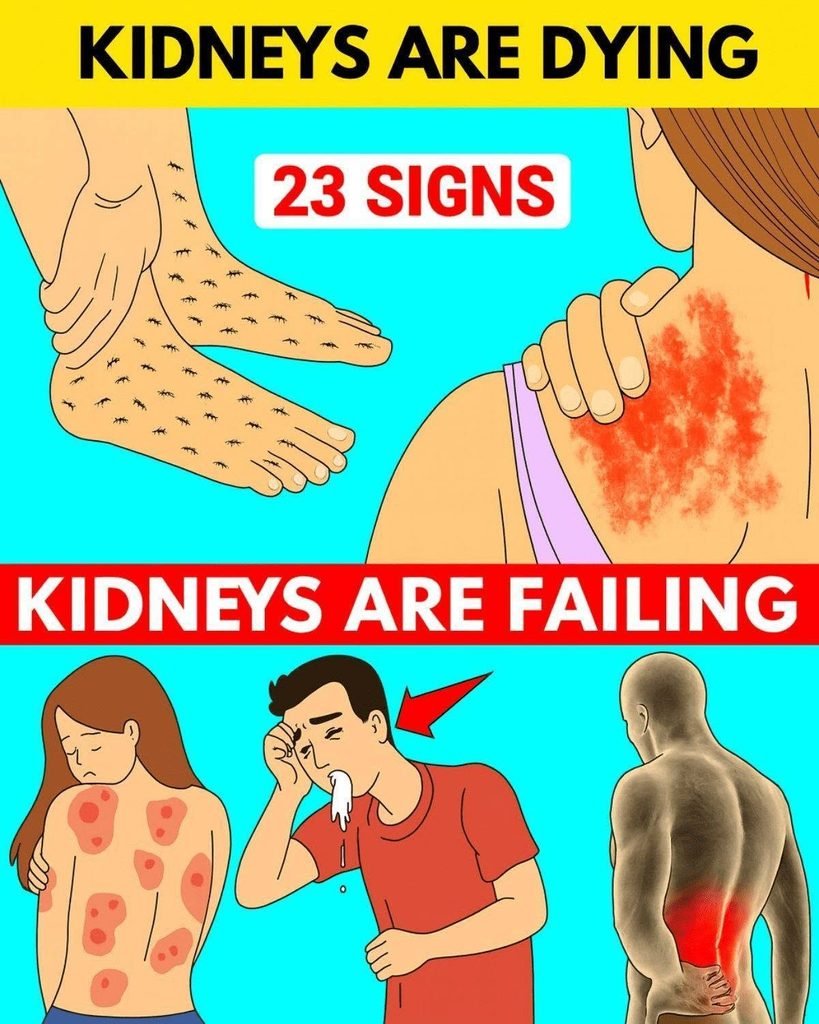
23 Strange Signs Your Kidneys Might Be in Trouble: Symptoms You Should Never Ignore
Your kidneys work quietly behind the scenes every day, filtering waste from your blood, balancing fluids, and helping regulate important minerals.
Because they perform these essential functions without obvious symptoms in the early stages of disease, kidney problems can sometimes develop without a person realizing anything is wrong.
But as kidney function changes, certain symptoms may appear.
Some are easy to overlook, such as persistent fatigue or changes in urination. Others, including swelling, blood in the urine, or difficulty breathing, may require prompt medical attention.
The important thing to remember is that many kidney diseases cause no noticeable symptoms until they become more advanced. Symptoms alone cannot confirm whether your kidneys are healthy.
Here are 23 signs worth understanding, what they may mean, and when to seek medical care.
1. Persistent Fatigue
Feeling unusually tired despite getting enough sleep can sometimes occur when kidney function declines.
Healthy kidneys produce a hormone called erythropoietin, which helps the body make red blood cells.
When kidney disease affects this process, anemia may develop.
Anemia can reduce the amount of oxygen delivered to tissues, contributing to weakness, fatigue, and reduced concentration.
However, fatigue is extremely common and can also result from sleep problems, stress, thyroid disorders, anemia unrelated to kidney disease, and many other conditions.
2. Swelling Around the Ankles and Feet
<AsyncImage query=”swollen ankles feet edema medical symptom” aspectRatio=”5:4″/>
The kidneys help regulate the body’s fluid balance.
When kidney function becomes impaired, excess fluid may accumulate in the tissues.
This can cause swelling, particularly around the ankles, feet, and lower legs.
Swelling may become more noticeable after standing for long periods.
However, ankle swelling can also result from heart problems, venous circulation problems, medications, and other conditions.
Persistent or unexplained swelling deserves medical evaluation.
3. Puffiness Around the Eyes
Some people notice puffiness around their eyes, particularly in the morning.
This can occur when fluid accumulates in the tissues surrounding the eyes.
Kidney conditions that cause protein to leak into the urine may contribute to this type of swelling.
However, morning eye puffiness is not specific to kidney disease.
Allergies, lack of sleep, and other conditions can produce similar symptoms.
4. Changes in Urination
Changes in urination can sometimes indicate a kidney or urinary tract problem.
You may notice:
Urinating more frequently.
Urinating less than usual.
Changes in urine appearance.
Increased nighttime urination.
Difficulty passing urine.
These changes are not always caused by kidney disease.
Diabetes, urinary infections, prostate problems, medications, and fluid intake can also affect urination.
Persistent changes should be discussed with a healthcare professional.
5. Foamy Urine
<AsyncImage query=”urine in toilet bowl foam medical symptom illustration” aspectRatio=”5:4″/>
Occasionally seeing bubbles in urine is usually not a reason for alarm.
However, repeatedly noticing unusually foamy urine may warrant evaluation.
One possible explanation is protein in the urine, known as proteinuria.
Healthy kidneys normally prevent most blood proteins from passing into the urine.
When the kidney’s filtering structures become damaged, protein may leak into the urine.
Persistent proteinuria can be an early sign of kidney disease.
A urine test can help determine whether protein is present.
6. Blood in the Urine
Blood in the urine may make it appear pink, red, brown, or tea-colored.
Sometimes blood is present in amounts too small to see and is detected only through testing.
Possible causes include:
Kidney stones.
Urinary tract infections.
Kidney inflammation.
Bladder conditions.
Certain medications.
Other urinary tract problems.
Blood in the urine should not automatically be attributed to kidney disease.
Nevertheless, visible blood in the urine requires medical assessment, even if it happens only once.
7. Pain in the Side or Back
<AsyncImage query=”person holding side lower back flank pain medical” aspectRatio=”5:4″/>
Kidney-related pain may occur in the flank, the area on either side of the back beneath the ribs.
It can sometimes be associated with kidney stones, infection, or obstruction.
However, many kidney conditions, including chronic kidney disease, do not cause pain.
Muscle strain and spinal problems are much more common explanations for ordinary lower back pain.
Severe flank pain accompanied by fever, vomiting, or difficulty urinating requires urgent medical evaluation.
8. Persistent Nausea
Kidney disease can sometimes cause nausea, particularly when waste products accumulate in the blood in more advanced disease.
Some people may also experience vomiting or a reduced appetite.
However, nausea is not a reliable indicator of kidney disease.
Digestive conditions, infections, pregnancy, medications, and many other factors can cause similar symptoms.
Persistent nausea should be evaluated based on its severity, duration, and accompanying symptoms.
9. Loss of Appetite
A reduced appetite can occur in people with advanced kidney disease.
Changes in the body’s chemical balance and the accumulation of waste products may contribute to food becoming less appealing.
Some people also experience an unpleasant taste in their mouth.
However, appetite loss has many possible causes, including digestive disorders, depression, infections, and medication effects.
Unexplained or prolonged appetite loss deserves medical attention.
This test uses blood creatinine and other information to estimate how effectively the kidneys filter blood.
A persistently reduced eGFR may indicate impaired kidney function.
Urine test: Albumin-to-Creatinine Ratio (UACR)
This test checks whether albumin, a type of protein, is leaking into the urine.
Elevated urine albumin can be an early sign of kidney damage.
Blood pressure measurement
High blood pressure can both contribute to kidney damage and result from kidney disease.
Monitoring blood pressure helps identify an important risk factor.
People with diabetes, hypertension, cardiovascular disease, or a family history of kidney disease may benefit from discussing kidney screening with their healthcare professional.
What Can Increase Your Risk of Kidney Disease?
Several factors can increase the likelihood of developing kidney problems.
These include:
Diabetes.
High blood pressure.
Cardiovascular disease.
A family history of kidney disease.
Previous kidney injury.
Certain autoimmune conditions.
Recurrent kidney stones.
Long-term use of certain medications, including frequent or inappropriate use of NSAIDs.
Having a risk factor does not mean kidney disease is inevitable.
Early detection and appropriate treatment can help protect kidney function.
How to Protect Your Kidney Health
A few practical habits can support kidney health.
Control blood pressure. Follow your prescribed treatment and monitor readings when recommended.
Manage diabetes. Keeping blood glucose within your individualized target can help reduce kidney damage.
Stay appropriately hydrated. Drink enough fluids for your needs, but do not force excessive water intake. Some people with advanced kidney or heart disease require fluid restrictions.
Use medications carefully. Ask a healthcare professional before using medications that may affect kidney function, particularly if you have existing kidney disease.
Avoid smoking. Smoking increases cardiovascular risk and can contribute to kidney damage.
Maintain a balanced diet. Choose a varied diet and discuss individualized dietary restrictions with your healthcare professional if kidney disease is present.
Get recommended screening. Blood and urine tests can identify kidney problems before symptoms develop.
When Should You Seek Medical Attention?
Contact a healthcare professional if you notice persistent:
Blood in the urine.
Foamy urine.
Swelling.
Changes in urination.
Unexplained fatigue.
High blood pressure.
Persistent nausea or appetite loss.
Seek urgent medical attention for:
Sudden inability to urinate.
Severe flank pain with fever.
Rapidly worsening swelling.
Severe shortness of breath.
Confusion or fainting.
Chest pain.
These symptoms may indicate serious conditions that require immediate assessment.
The Bottom Line
Your kidneys perform essential functions every day, but kidney disease can develop without obvious warning signs.
Fatigue, swelling, changes in urination, and high blood pressure may sometimes be associated with kidney problems, but none of these symptoms can confirm a diagnosis on its own.
The best way to protect your kidneys is not to wait for 23 symptoms to appear. It is to understand your risk factors, control blood pressure and diabetes, and get appropriate blood and urine testing when recommended.
Early detection can make a meaningful difference in managing kidney disease and protecting long-term health.
Medical disclaimer: This article is for educational purposes only and does not diagnose kidney disease. Symptoms may have many causes. Consult a qualified healthcare professional for personalized evaluation and treatment.